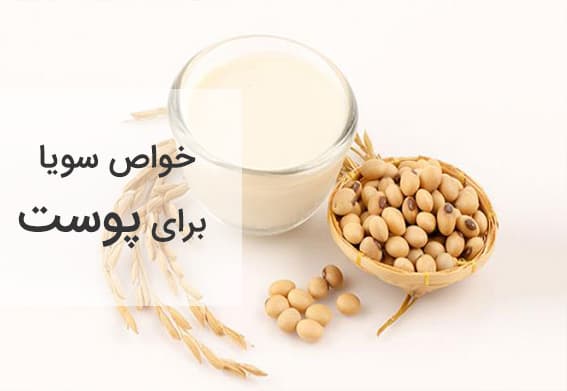
What is lecithin?
Lecithin is a group of fatty substances (phospholipids) found in the membranes of the body’s cells.
Its possible effects on health are still being studied.
Lecithin was first discovered in egg yolk. However, extracting lecithin from egg yolk is very costly.
That is why today it is extracted from cottonseed, rapeseed (canola), soybeans, and sunflower.
But because soy lecithin is more affordable than the other types, soy is the most widely used source for extracting lecithin.
And because commercial lecithin is produced from soybean oil, it has come to be known as soy lecithin.
What is soy lecithin used for?
The main function of lecithin in the food industry is to extend the shelf life of food products, something of particular importance to manufacturers.
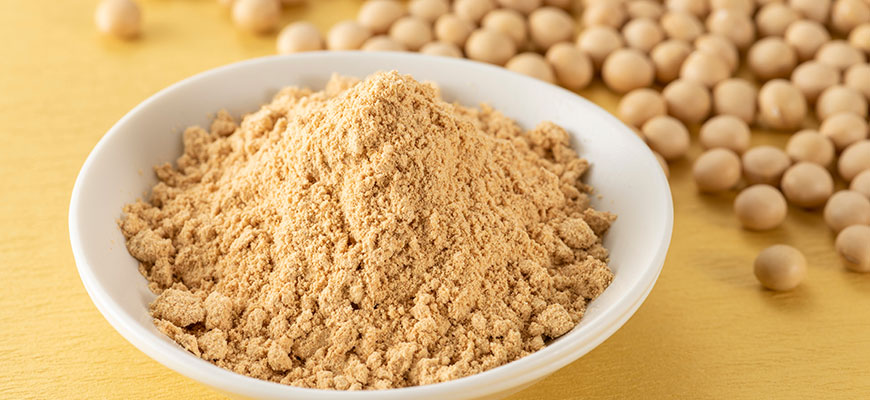
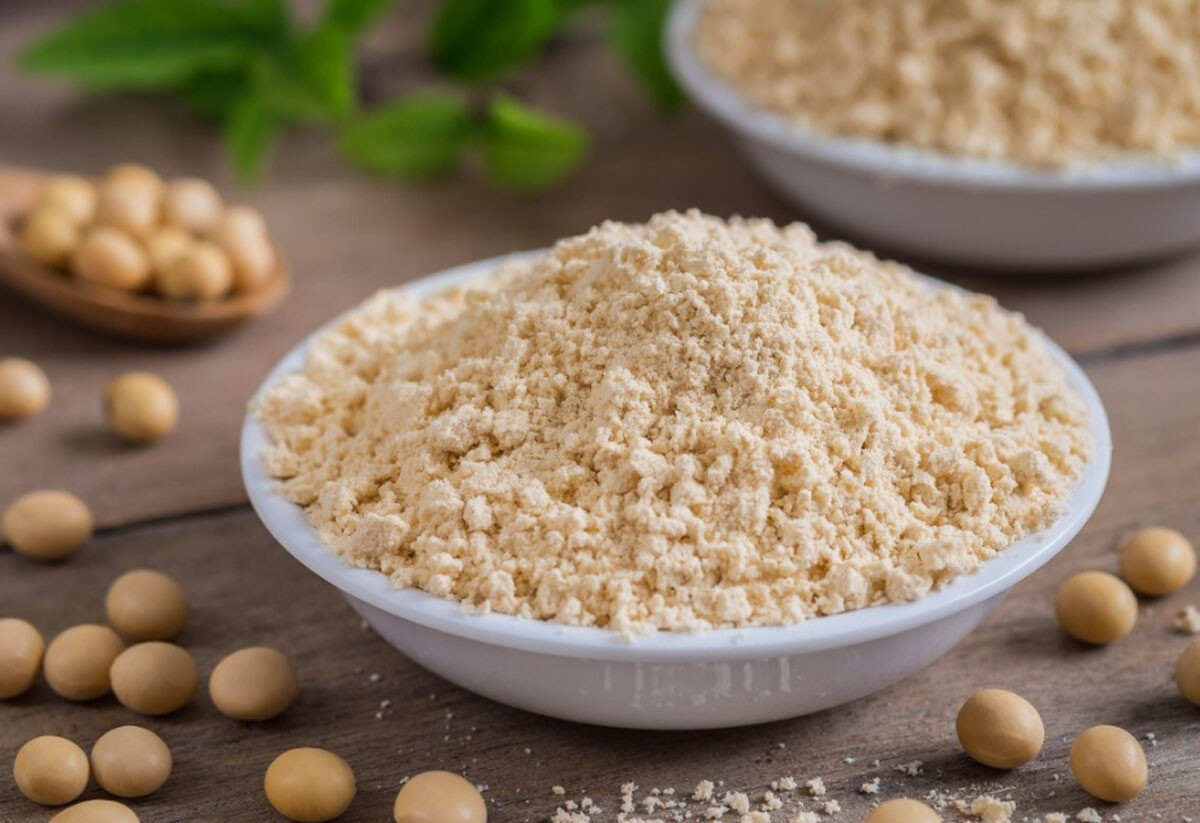
Lecithin is produced in two forms, liquid and powder, each of which has its own specific applications across different food industries.
For example, powdered lecithin is used in bakeries and businesses that work with dough.
Liquid lecithin, meanwhile, is used in the production of all kinds of confectionery and other food products.
Uses and applications of soy lecithin
In the bread and biscuit industry
In this industry, soy lecithin is used to improve the blending of ingredients, retain moisture, preserve oils, and help the dough release easily.
In the production of donuts and cakes
Soy lecithin is used to increase product volume, create a tender crumb texture, and keep the product fresh.
In the production of ice cream and fillings
Soy lecithin helps keep the product from drying out and creates a smooth frozen texture. Soy lecithin also makes frozen products firmer.
In the production of chocolate
Soy lecithin reduces the amount of cocoa butter needed by 3 to 5 percent and keeps cocoa powder moist.
In the production of cosmetics and personal care products
Soy lecithin stabilizes creams and lotions and prevents the fats in them from crystallizing.
Soy lecithin and health
Soy lecithin is widely used as a food additive and is generally considered safe in the amounts found in foods. Unlike egg-yolk lecithin, it contains no cholesterol. Research on lecithin supplements is still limited; here is what has been studied:
1. Lecithin provides choline, a nutrient the body needs for healthy cell membranes, liver function and the nervous system.
2. Lecithin helps the body process fats; however, there is little evidence that lecithin supplements cause weight loss.
3. Some researchers have studied lecithin, choline, magnesium and vitamin B6 in relation to multiple sclerosis (MS), but there is no proof that lecithin prevents or treats MS.
4. Lecithin is a natural part of bile, and its possible role in gallbladder health is being studied.
5. Studies on lecithin and brain health, including Parkinson’s disease, have not shown that it can treat these conditions.
6. In skincare, lecithin is used in creams and lotions to help keep the skin moisturized.
7. The body uses choline from lecithin to make acetylcholine, a messenger that carries nerve signals to the muscles.
8. Acetylcholine also plays a role in memory.
However, it has not been proven that lecithin supplements improve memory.
If you are considering lecithin supplements for any health reason, talk to your doctor first.
For Soyno textured soy protein and our other soy products, you can contact the sales specialists at Soya Protein Pars.
The goal of Soya Protein Pars Co. is to provide healthy food for our fellow citizens.