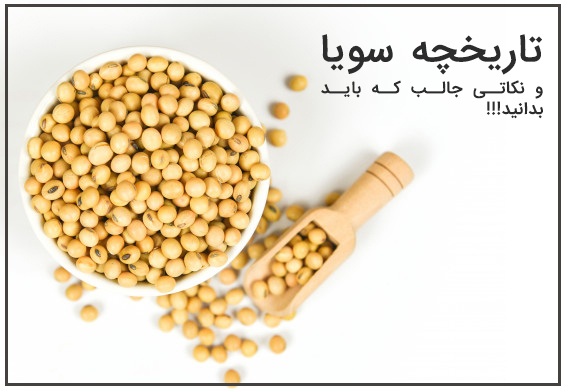
Looking at the history of soy, we can say that soy is an affordable source of protein produced by an annual, hairy plant with trifoliate leaves and white or purple flowers.
This plant belongs to the legume family, and its scientific name is Glycine max.
The nutritional value of this plant comes from its high content of fiber, minerals, and isoflavones.
Diets that include these compounds have been linked to a lower risk of some chronic diseases.
The History of Soybean Cultivation:
Soy is a plant that has been cultivated in China for 5,000 years.
Soy was used as a staple food source by the people of China.
Later, in 1890, studies on this plant were carried out in the United States.
Eight years later, cultivation of the plant began in the United States.
At first, the soybean plant was used as a natural nitrogen fixer to enrich the soil.
Later, other products such as soy sauce, tempeh, natto, miso, soy milk, and tofu were made from soybeans.
In the twentieth century, soybeans attracted attention both as a food and for the production of industrial materials.
In 1904, the scientist George Washington Carver discovered that soy is a rich source of oil and protein.
Today, the Americas are the largest center of production for this highly beneficial plant.
Russian researchers were the first to discover that soy could be used for both nutrition and medicinal purposes.
Scientific findings show that soybeans are rich in protein, fiber, calcium, iron, magnesium, zinc, and vitamins B and E.
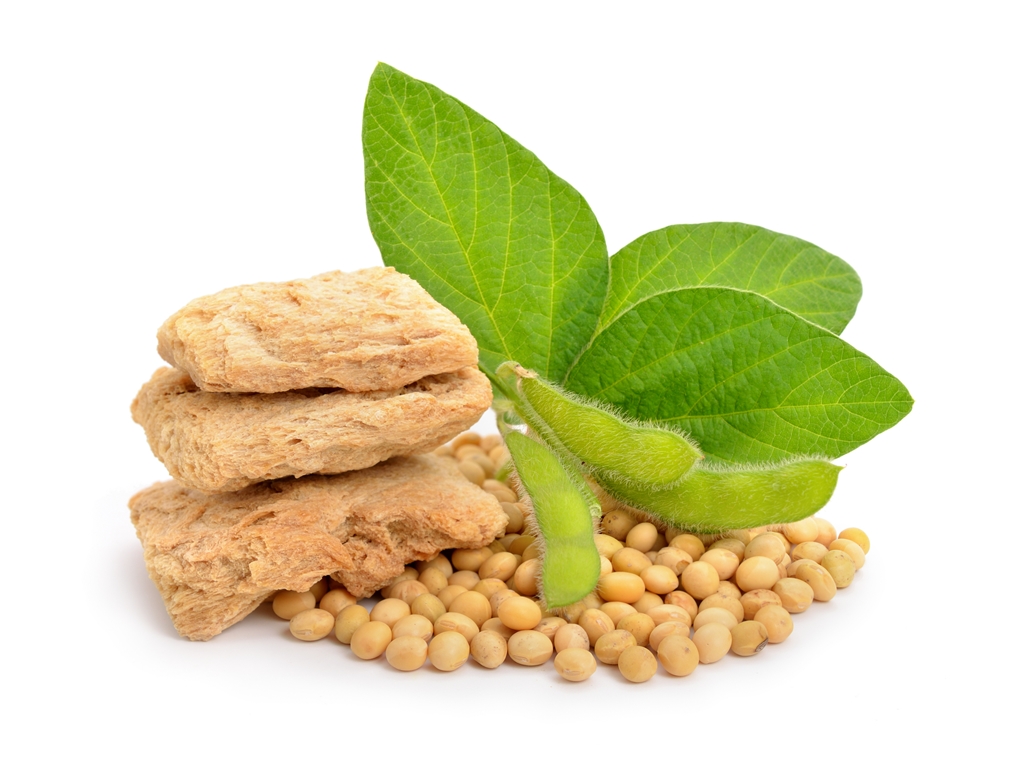
Ways soybeans are used:
1- Directly, in their whole-bean form
2- As soybean meal and oil
In both cases, soy is used as food for humans and as animal feed.
How Soy Is Prepared for Consumption:
In most countries that use soybeans, including Iran, oil is extracted from the beans by plants built specifically for this purpose.
The beans are then dehulled and cleaned, and after sorting they reach the consumer.
During oil extraction, about 80% of the soybean's weight becomes meal, 13%–18% becomes oil, and 2%–5% becomes waste.
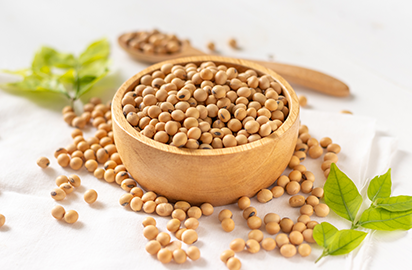
Soybeans differ in color, seed size, physical properties, chemical composition, and growing period.
Soybean varieties come in white, gray, black, yellow, and speckled colors, and their growing period ranges from 90 to 180 days.
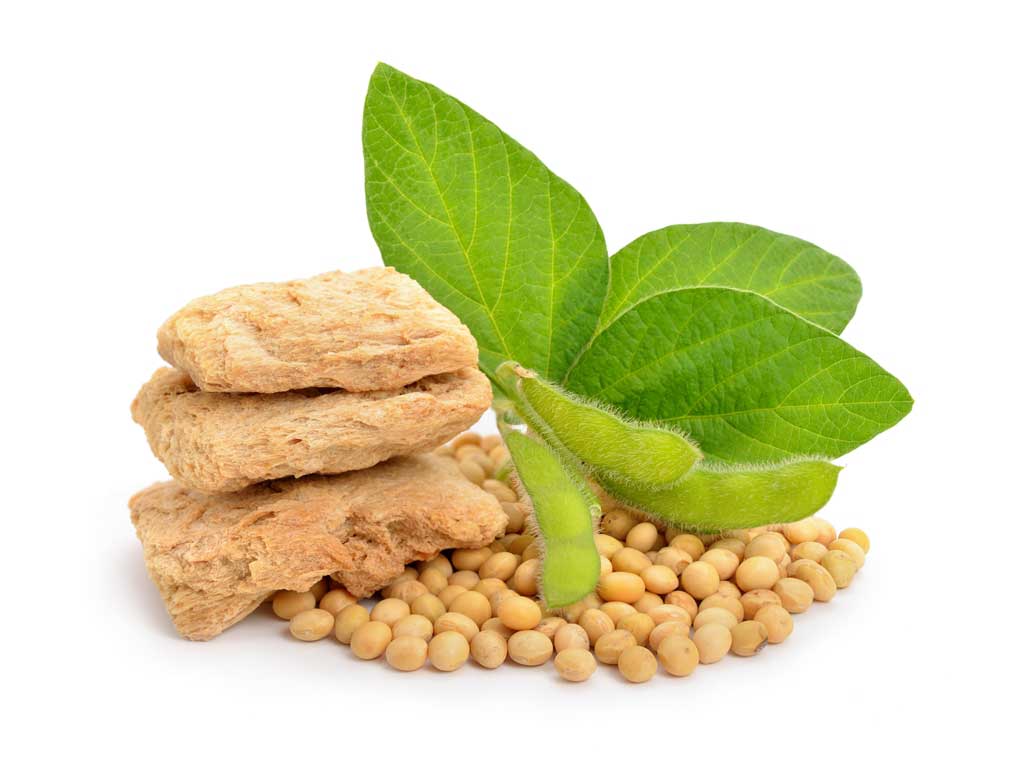
In Iran, textured soy protein (soy chunks) made from defatted soybeans is sold as a plant-based alternative to meat products.
This food contains considerably more protein than meat products.
However, keep in mind that red meat remains necessary because it contains heme (porphyrin) iron.
This form of iron is easily absorbed by the digestive system, and soy cannot replace it in the body.
Even so, soy can be included in the family diet in a way that helps reduce food costs.
And because of the many benefits of soy for your health, it is well worth making it part of your diet.