Soybeans are a rich source of the amino acids the body needs; they can help repair muscle, improve muscle function, and support overall health during growth.
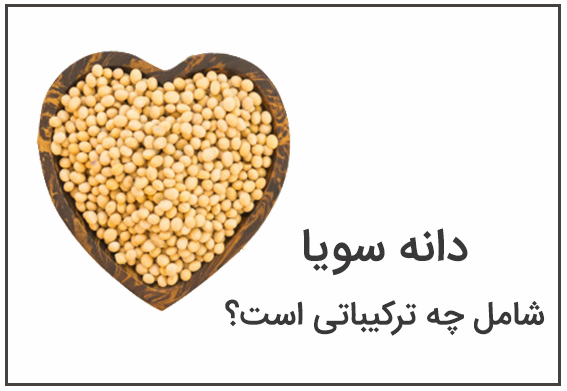
In this article, we introduce the components of soybeans — the raw material for foods such as textured soy protein — and the potential health benefits of eating soy.
Stay with us.
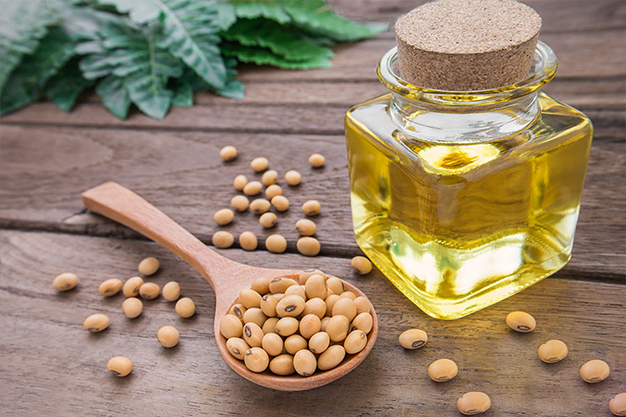
Soybean Oil:
Soy is a plant food containing 50 percent polyunsaturated fatty acids and 8 percent omega-3 fatty acids.
Diets rich in these fats, eaten in place of saturated fats, are linked to a lower risk of cardiovascular disease.
One of the beneficial compounds in soybeans, found abundantly in soybean oil, is tocopherol, which supplies the body with vitamin E.
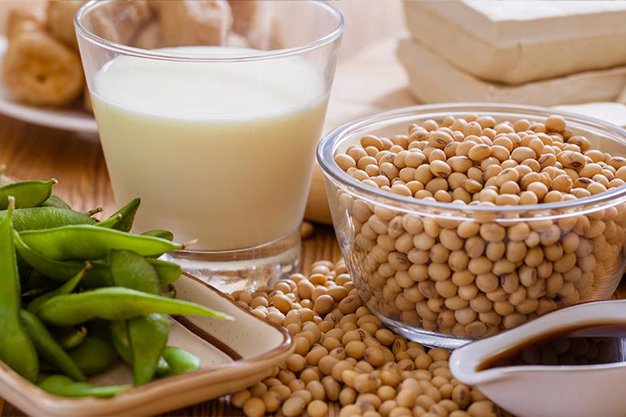
Carbohydrates in Soy:
Overall, 30 percent of the soybean's content consists of soluble and insoluble carbohydrates.
Soy contains the sugars raffinose, sucrose, and stachyose, which the body cannot digest; they simply support digestive function.
In the gut, these sugars are consumed by beneficial bacteria and help them survive. These bacteria play a role in digestive health.
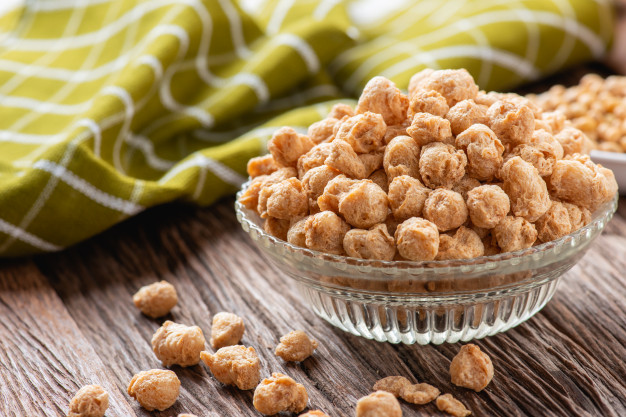
Fiber in Soy:
If you are looking for a rich source of dietary fiber, soy is a good choice.
The 6 grams of fiber in each cup of cooked soybeans is a suitable amount for any meal.
The benefits of dietary fiber include improved large-intestine function, relief of digestive disorders, a lower risk of colon cancer, and better control of blood sugar and cholesterol.

Vitamins and Minerals in Soy:
Potassium, sodium, calcium, magnesium, sulfur, and phosphorus are among the minerals found in soybeans.
The vitamins in this food include thiamine, riboflavin, niacin, pantothenic acid, biotin, folic acid, and choline.
Soy also contains a large amount of beta-carotene, which is a precursor of vitamin A. Immature soybeans contain more of it than mature, dried beans.
Potential Health Benefits of Soy:
Soy and Weight Loss:
Thanks to its protein and fiber, soy can help you feel full, which may help prevent overeating as part of a calorie-controlled diet.
Soy and Bone Health:
Some studies suggest that soy isoflavones may help slow bone loss, particularly after menopause.
Soy and Skin:
Some research suggests that soy isoflavones may help keep skin smooth and elastic.
Soy and Diabetes:
As part of a balanced diet, the protein and fiber in soy may help people with diabetes manage blood sugar and support heart health. People with diabetes should follow their doctor’s dietary advice.
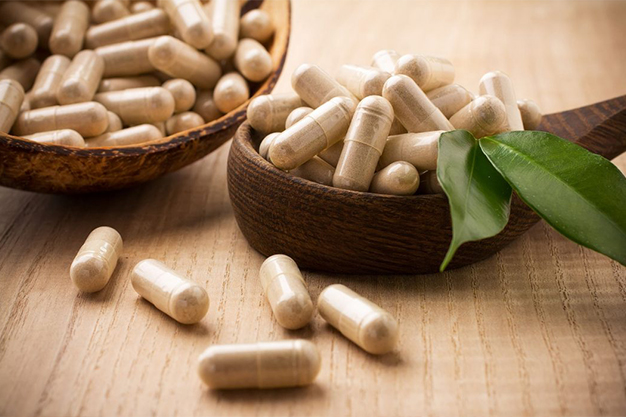
Aiding Digestion:
As mentioned earlier, one of the benefits of the fiber in soy is better and faster digestion.
Some population studies have also linked soy intake to a lower risk of breast cancer, but the evidence is not conclusive.
Soy and Iron:
Soy contains iron. Eating it together with meat or with foods rich in vitamin C helps the body absorb that iron.
If you have anemia, follow your doctor’s advice.
Soy and Heart Health:
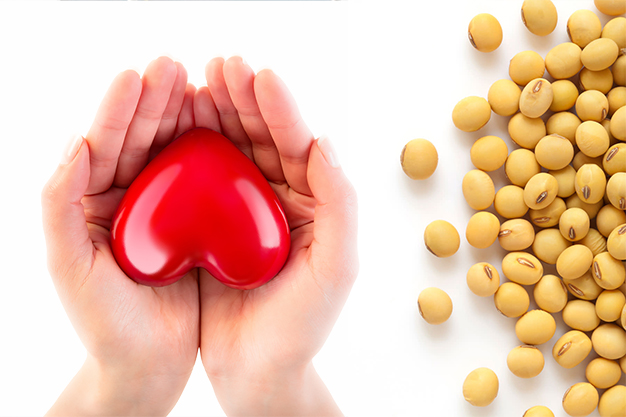
Because soy contains unsaturated fatty acids, omega-3, omega-6, protein, and fiber, eating it regularly in place of some animal protein may help lower LDL cholesterol and support heart health.
Soy and Menopause:
Soy isoflavones have weak estrogen-like effects, and some studies suggest they may ease menopause symptoms such as hot flashes. If you have a hormone-sensitive condition, ask your doctor how much soy is right for you.