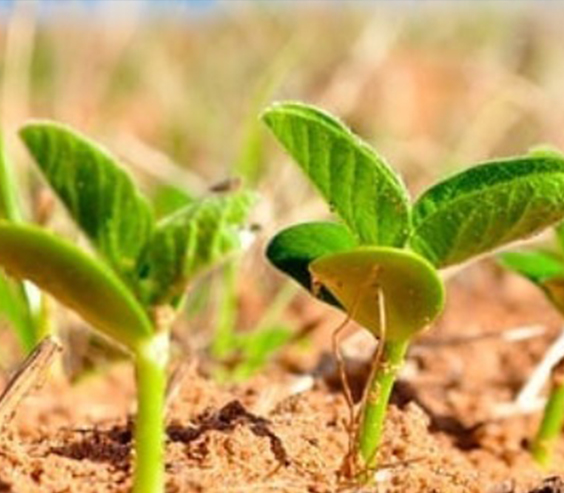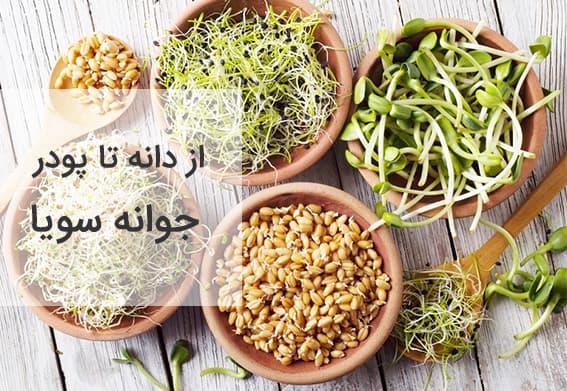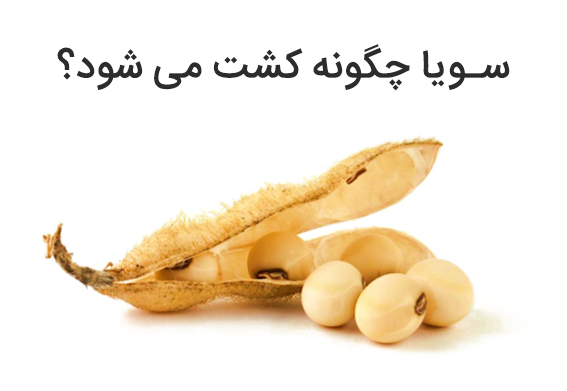
In this article, we look at how soybeans are grown.
Soybeans are legumes that are eaten in many different ways in the household diet.
The soybean is a common crop that yields at least twice as much protein per hectare as other vegetables or grains.
Soybeans are processed into meal or oil and find their way into human food and animal feed as textured soy protein, as well as into a range of non-food products, materials, and fuels.
Soy is native to East Asia, but today most soybeans are produced in the United States and South America.
The crop is generally grown in rotation with corn; by breaking the cycles of diseases, insects, and weeds and helping maintain field fertility, this rotation provides good risk management for both crops.
But what steps are involved in growing soybeans?
Read on as we take a complete look at this topic.

Choosing Seed
The first step to success in planting soybeans and reaching harvest is choosing your seed.
Soybean seed can be treated with any number of fungicide and insecticide products.
Planting date and field readiness are key factors in your choice.
If the field has a history of disease during seedling growth, your seed may be susceptible to fungal infection.
The same applies to any known history of Phytophthora, sudden death syndrome, or other soybean pathogens.
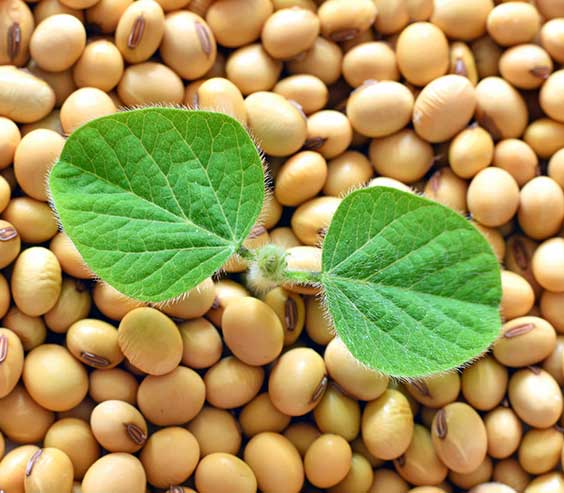
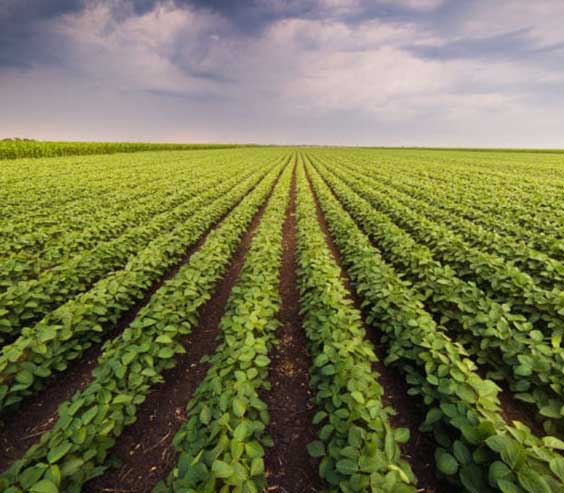

When Is the Right Time to Plant Soybean Seed?
Experts say the earlier you plant, the better your harvest will be; however, there must be enough moisture in the soil, and the weather should be on a warming trend.
A minimum air temperature of 50 degrees Fahrenheit is ideal for ensuring suitable soil temperature.
Make sure there is no longer any risk of frost or cold damage by the time the soybeans emerge, which is seven to 10 days after planting.

Equipment Needed to Grow Soybeans
You don't need a lot of modern equipment to grow this crop.
What matters is placing the seed at a precise depth and in firm contact with the soil.
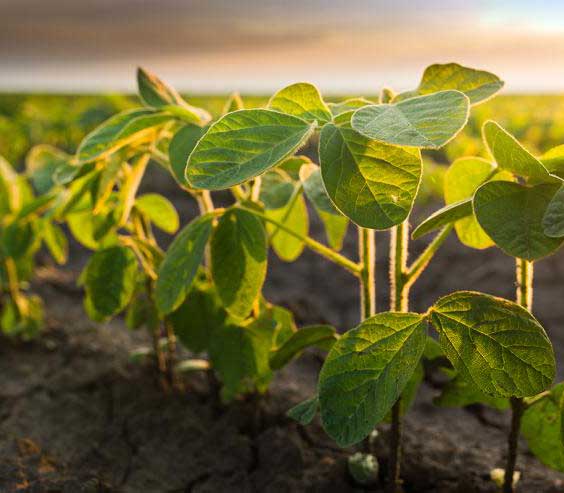
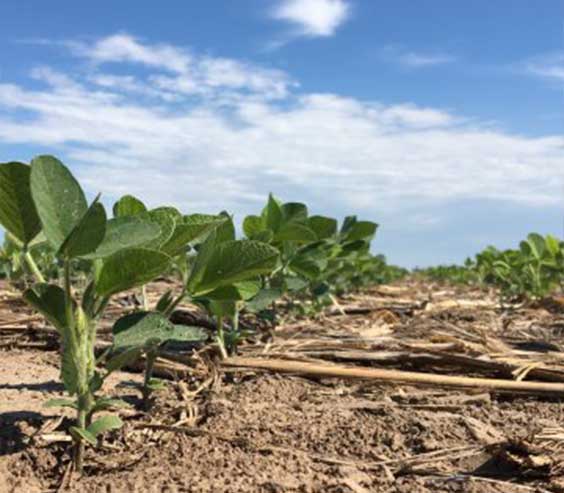

Proper Seeding Depth and Spacing
Seeding depth depends mostly on soil type and soil conditions at planting. Soybeans grow best in well-drained arable soils, but they can also be grown in sandy soils with a pH of 6.5 or higher.
The ideal seeding depth for most conditions is 1¼ to 1½ inches, and seed can also be planted up to 2 inches deep in sandy soils or dry conditions.

Weed Control
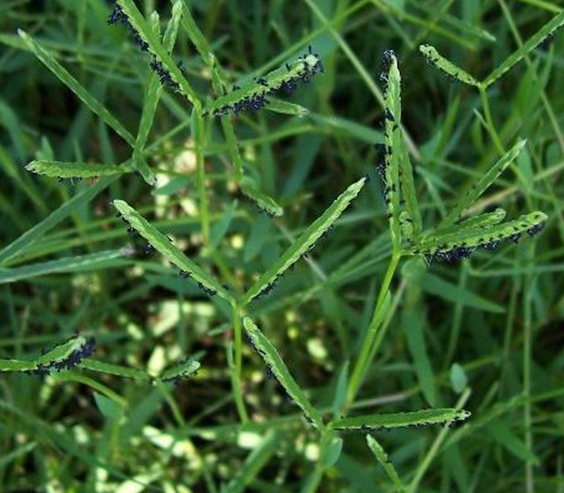
Weed control is the most important challenge from the early stages of plant growth until the canopy closes.
You can use a herbicide for this. It remains active in the soil for a long time and prevents weeds from growing back.
It is also biodegradable and will not harm your crop.

Fall Inspection
Fall is the time to check soil nutrient levels to prepare for next year's soybean crop.
If the field was previously planted with corn, check phosphorus and potassium levels. If the pH is below 6, correct the deficiency with lime. Corn can remove nutrients from the soil and leave levels unsuitable for growing soybeans.
Soybeans are also sensitive to some herbicide residues, so make sure all herbicides have broken down in the soil.

Safe Planting
As soon as planting season begins, following standards and best practices for safety and environmental stewardship is extremely important.
So start planting with fully safe, standard practices.
Good luck!
Source: https://www.agriculture.com/