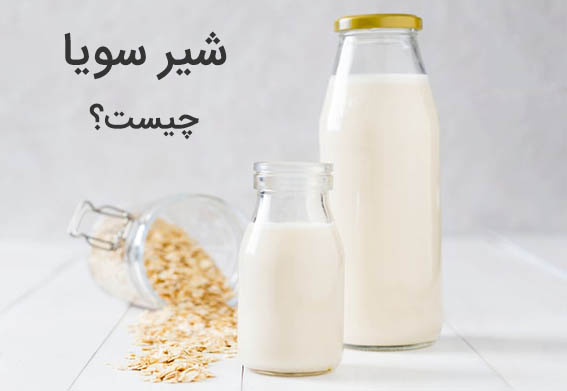
Plant-based soy milk is a product made from soybeans that is high in protein and balanced in carbohydrates and fat.
Like other plant-based products, it has become a leading alternative to dairy milk today.
But you may be wondering why you should choose soy milk over other popular options such as almond milk or oat milk.
In this article, we review some key facts about soy milk, along with the benefits and precautions of drinking it.
What Is Soy Milk?
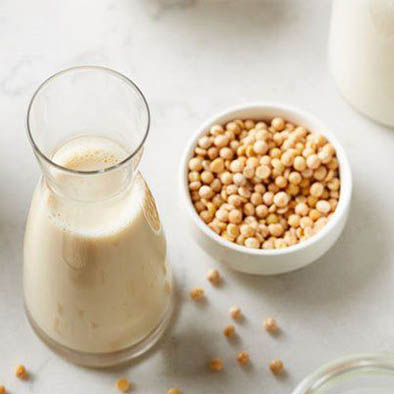
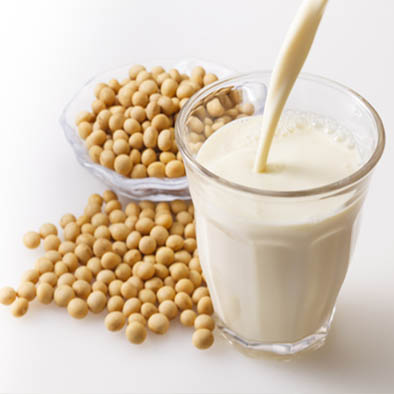
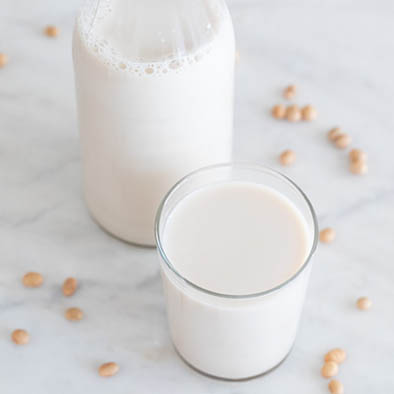
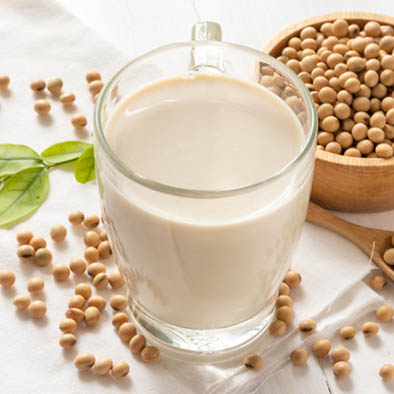
Soy milk is a beverage made by soaking soybeans, boiling them, blending them, and finally straining out the remaining solids.
The final product is a stable emulsion of oil, water, and protein known as soy milk.
Many people compare plant-based soy milk with cow's milk.
However, soy milk is entirely plant-based, and its color is duller than that of cow's milk.
In terms of taste, it bears no resemblance to animal milk and tastes more like breakfast cereal.
Properties of Plant-Based Soy Milk
Soy milk is a good source of complete plant protein.
Like meat, it provides essential amino acids, including methionine and cysteine, yet soy milk has fewer calories than meat.
What Are the Nutritional Value and Contents of Soy Milk?
There are many different types of soy milk on the market.
Always check the nutrition facts label on your chosen brand.
Below is the nutritional value of one cup of unsweetened organic soy milk:
Calories: 80, Fat: 4 g, Saturated fat: 0.5 g, Carbohydrates: 3 g, Fiber: 2 g, Sugars: 1 g (0 g added sugar), Protein: 7 g
As you can see, this food is rich in protein, low in sugar, and contains a few grams of fiber, all for just 80 calories.
Is Soy Milk Really Good for You?
Experts hold different views on cow's milk versus non-dairy alternative milks.
Some specialists prefer cow's milk and other dairy products such as yogurt because they provide a rich source of calcium.
Other specialists, however, believe soy milk should be the milk of choice.
That is because it is rich in protein and low in saturated fat.
Some studies suggest that soy foods, including soy milk, may be linked to a lower risk of certain cancers and of osteoporosis and may ease some menopause symptoms, but more research is needed.
How Much Soy Milk Is Safe to Drink per Day?
You can have one to two servings of whole soy foods a day, including plant-based soy milk.
For example, if you plan to eat a serving of tofu, you can still add 1 cup of soy milk to your breakfast smoothie.
Research suggests that up to three servings a day is safe.
Who Should Avoid Soy Milk?
If you are allergic to soy, you should avoid soy milk.
Otherwise, it can be a healthy part of a balanced diet.
Soy contains isoflavones, plant compounds with weak estrogen-like effects. For most healthy people, moderate amounts of soy foods are considered safe. If you have a thyroid condition, a hormone-sensitive condition (such as some breast cancers), or are pregnant or breastfeeding, ask your doctor how much soy is right for you.
How Does Soy Milk Compare With Regular Milk and Other Milks Such as Nut, Rice, and Coconut Milk?
When comparing all plant-based milks, soy milk is generally lower in fat than the others from a nutritional standpoint.
With all nine essential amino acids, soy milk is rich in protein and balanced in fat and carbohydrates.
It is also richer in protein than almond milk: traditional almond milk has fewer calories (only 30 calories per cup), but it contains only about one gram of protein.
Rice and oat milks are other popular plant-based milk options.
Like almond milk, rice milk and oat milk contain only one gram of protein per cup.
As for coconut milk, it has the same amount of fat as soy milk (4 g) but contains no protein.
Source: www.everydayhealth.com