Tofu (bean curd) is one of those foods whose effects on the body are hotly debated.
Some believe it has no harmful effects on health and is even beneficial.
Others, meanwhile, claim it is like a poison that should be avoided at all costs.
This may leave you wondering whether or not you should include tofu in your diet.
In this article, we take a close look at tofu and its health effects to determine whether this food is good for your health.
Tofu is one of many soy foods; another is textured soy protein (soy chunks), a popular plant-based meat substitute.
What Is Tofu?
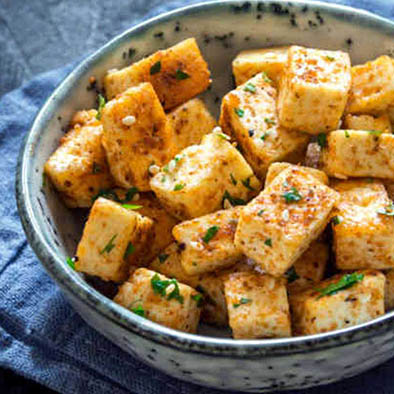
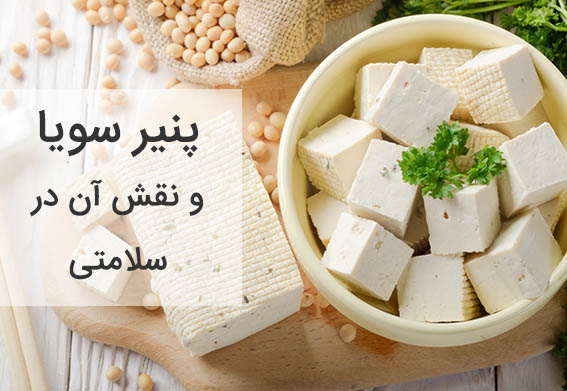
Tofu is a food made from condensed soy milk that is pressed into solid white blocks in a process very similar to cheese making.
Legend has it that a Chinese cook discovered tofu more than 2,000 years ago by accidentally mixing a batch of fresh soy milk with nigari.
Nigari is what remains after salt is extracted from seawater.
It is a mineral-rich coagulant that causes tofu to solidify and firm up.
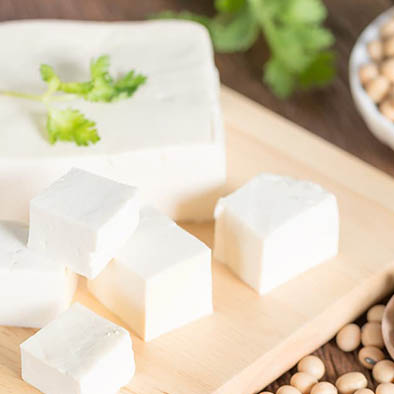
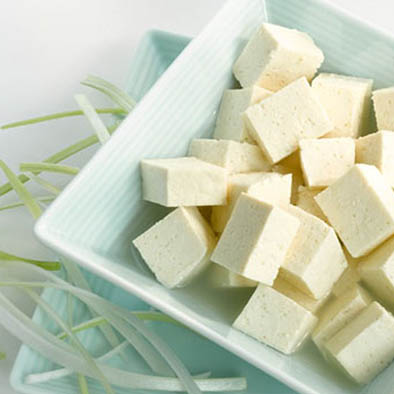
Nutritional Composition
Tofu is rich in protein and the essential amino acids your body needs.
It also provides fats, carbohydrates, and a wide range of vitamins and minerals the body requires.
A 3.5-ounce (100-gram) serving of tofu contains the following nutrients:
Protein: 8 g, Carbohydrates: 2 g, Fiber: 1 g, Fat: 4 g, Manganese: 31% of the RDI
Calcium: 20% of the RDI, Selenium: 14% of the RDI, Phosphorus: 12% of the RDI, Copper: 11% of the RDI,
Magnesium: 9% of the RDI, Iron: 9% of the RDI, Zinc: 6% of the RDI
Yet tofu has only 70 calories, which makes it a highly nutritious food.
Potential Benefits of Tofu
A Source of Isoflavones:
Soybeans contain natural plant compounds called isoflavones.
These act as phytoestrogens.
This means they can bind to and activate estrogen receptors in your body.
They can also produce effects similar to the hormone estrogen.
However, these effects are weaker.
Tofu contains 20.2 to 24.7 mg of isoflavones per 100 grams.
Many of tofu's health benefits are due to its high isoflavone content.
Supports Heart Health:
Research has shown that a high intake of legumes, including soy, is linked to lower rates of heart disease.
Some studies suggest soy isoflavones may reduce inflammation of the blood vessels and improve their elasticity.
Consuming 50 grams of soy protein a day has also been linked to improved blood lipids and a 10% lower risk of heart disease.
Tofu also contains saponins.
These are compounds thought to have protective effects on heart health.
May Reduce the Risk of Diabetes:
Several studies have shown that soy isoflavones can help control blood sugar.
In one study of postmenopausal women, 100 mg of soy isoflavones per day lowered insulin levels by 15% and blood sugar levels by 23%.
In another study, taking isoflavones daily for one year improved insulin sensitivity and blood lipids.
It also improved some heart disease risk factors.
Caution:
Eating tofu may cause problems for people with the following conditions.
Breast Tumors:
Because of tofu's weak hormonal effects, some doctors advise women with estrogen-sensitive breast tumors to limit their soy intake.
Thyroid Problems:
Some experts advise people with poor thyroid function to limit soy foods such as tofu because they contain goitrogens. If you have a thyroid condition, ask your doctor.
Source: https://www.healthline.com/