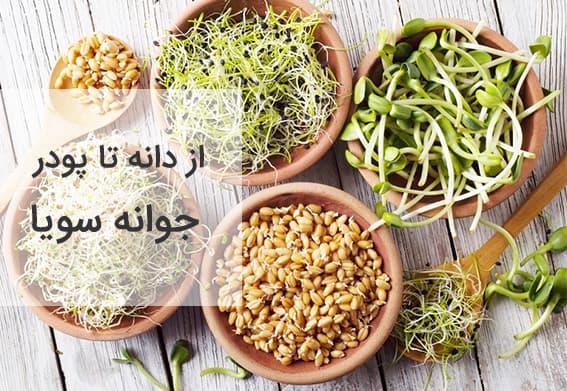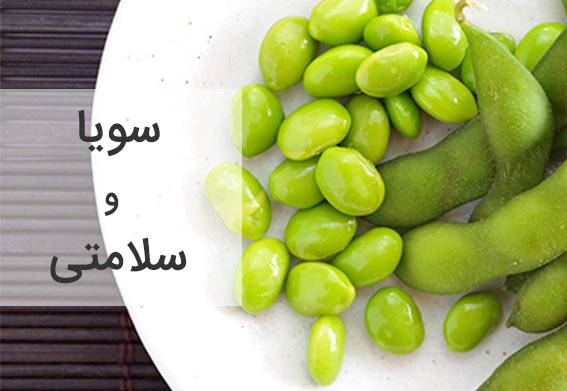
Soy and health is one of the hottest topics in the world today.
Soy is a staple ingredient in many diets that have recently become popular around the world.
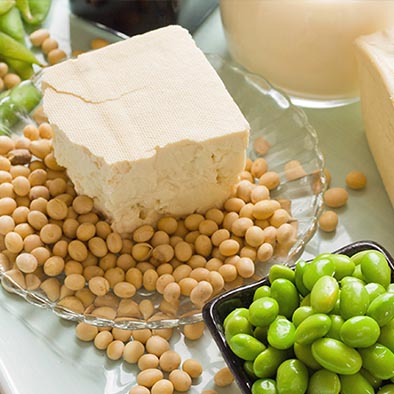
Soybeans are used to make a variety of foods such as soy burgers, ready meals made with textured soy protein, soy milk, tofu, and more.
Like most plant foods, soy is healthiest when it is minimally processed.
Research suggests that soy foods may offer several health benefits, which we explore in this article.
Soy and Breast Cancer Risk
Population studies suggest that women who eat soy foods regularly may be less likely to develop breast cancer.
In some studies, women who consumed an average of one cup of soy milk or about one and a half cups of tofu a day had a 30% lower risk of breast cancer than women who ate little soy.
This may be partly due to protective substances found in soy isoflavones.
Some researchers think soy eaten before and during adolescence may matter most.
This is the time when breast tissue is forming.
Soy After a Breast Cancer Diagnosis
What about women who already have breast cancer?
In observational studies, women with the highest soy isoflavone intake had a 21% lower risk of dying from cancer than those with the lowest intake.
Other studies on soy and health have reported that:
Soy foods appear to be safe for breast cancer survivors.
In one study, women who ate the most soy had a lower risk of cancer recurrence.
These studies show associations, not cause and effect. Anyone who has had breast cancer should follow their doctor’s advice on soy.
Soy and Other Cancers
Soy may also lower the risk of other cancers, including colon, lung, endometrial, ovarian, and prostate cancer.
However, the evidence for these cancers is limited and mixed, and soy is not a way to prevent or treat cancer.
Does Soy Affect Hormones and Fertility?
Studies of women and men have generally found that moderate soy intake does not disturb hormone levels or fertility.
Soy also does not appear to cause early puberty in girls.
Researchers studied a group of young girls and adolescents but found no link between soy consumption and an earlier age of puberty.
Lower Risk of Fibroids
Soy products may reduce the risk of fibroids in women.
Fibroids are nodules of muscle tissue that form in the thin muscular layer beneath the lining of the uterus. A study of women found that the more soy women ate, the less likely they were to need uterine surgery.
Researchers suggest that lignans, a type of phytoestrogen found in soy, may play a role. Lignans are also found in flaxseed and whole grains.
Women who ate the most flaxseed and whole grains had less than half the risk of developing fibroids.
Thyroid Health
Clinical trials suggest that moderate soy intake does not affect thyroid function in healthy people who get enough iodine.
However, soy isoflavones may bind to iodine.
The body uses iodine to make thyroid hormones.
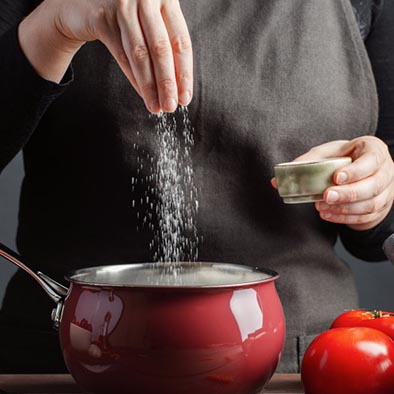
So when eating soy, use iodized salt to help keep your thyroid in balance. If you have a thyroid condition or take thyroid medication, ask your doctor how much soy is right for you.
Other Benefits of Soy
Soy may have anti-inflammatory effects.
In one study, women who ate more soy had lower levels of inflammation markers linked to cancer, type 2 diabetes, and heart disease.
Soy products also appear to lower levels of bad blood cholesterol.
Eating soy and other plant proteins instead of some animal protein may support heart health.
Eating soy may also reduce the risk of hip fractures caused by osteoporosis.
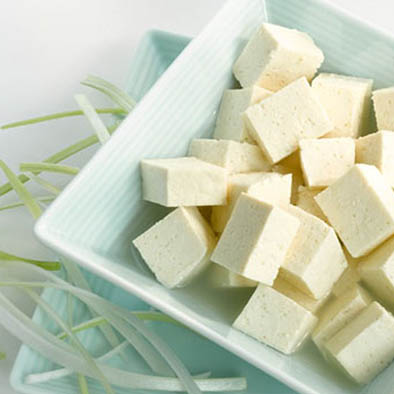
In a study published in the American Journal of Epidemiology, people who ate at least a quarter cup of tofu a day had a 30% lower risk of fractures.
Conclusion
Soy foods may offer a range of health benefits.
Studies suggest that whole soy foods may be linked to a lower risk of breast cancer, fibroids, and inflammation.
They may also support bone and heart health and ease some menopause symptoms. Soy is a food, not a medicine; if you have a medical condition, ask your doctor.
Now that you are familiar with the key facts about soy and health, it is a good idea to include whole soy foods as part of a balanced, plant-based diet.
Source: https://www.pcrm.org/